
01 — Zasady współpracy
Polityka aktualizacji (Crossmark)
„Studia Romologica” publikują artykuły w wersji ostatecznej (version of record): tekst ogłoszony w tomie i na stronie czasopisma nie jest później po cichu zmieniany. Przycisk Crossmark („Check for updates”) przy artykule i na jego stronie tytułowej w PDF pokazuje, czy jest to wersja aktualna i czy ogłoszono do niej sprostowanie lub inną zmianę.
Zgłaszanie błędów
Czytelnicy, autorzy i recenzenci mogą zgłosić błąd lub podejrzenie naruszenia rzetelności naukowej na adres michalbartosz@studiaromologica.pl. Redakcja rozpatruje każde zgłoszenie, w razie potrzeby zasięga opinii autora i recenzentów, a o rozstrzygnięciu informuje zgłaszającego.
Drobne poprawki
Literówek ani usterek redakcyjnych, które nie zmieniają sensu tekstu ani informacji o autorstwie, nie poprawiamy w opublikowanej wersji; nie są one odnotowywane w Crossmark.
Sprostowanie
Błąd istotny – taki, który może zmienić rozumienie tekstu, wynik, źródło albo przypisanie autorstwa (np. pominięty współautor, błędna afiliacja, błędne dane) – prostujemy w osobnej nocie „Sprostowanie”, opublikowanej na stronie czasopisma z własnym numerem DOI i powiązanej z artykułem. Artykuł pozostaje dostępny w pierwotnym brzmieniu; jego strona i rekord Crossmark wskazują notę.
Wycofanie
Artykuł wycofujemy, gdy jego wyniki okazują się niewiarygodne, gdy stwierdzono plagiat, publikację zdublowaną, naruszenie praw osób trzecich lub zasad etyki badań, zgodnie z wytycznymi COPE (Committee on Publication Ethics). Wycofany artykuł nie znika ze strony: jego tytuł poprzedza słowo „WYCOFANY”, plik PDF zostaje oznaczony, a nota o wycofaniu – z własnym numerem DOI – podaje powód i datę. Usunięcie tekstu jest możliwe wyłącznie z przyczyn prawnych lub gdy jego dalsze udostępnianie mogłoby komuś zagrozić; wówczas pozostają metadane i nota z wyjaśnieniem.
Nota redakcyjna
Gdy sprawa jest w toku, redakcja może opublikować notę z zastrzeżeniem (expression of concern), również powiązaną z artykułem.
Gdzie obowiązuje
Zmiany ogłaszamy na stronie studiaromologica.pl, gdzie znajduje się wersja ostateczna każdego artykułu. Kopie w innych serwisach mogą nie odzwierciedlać aktualnego stanu – przycisk Crossmark zawsze go pokazuje. Szczegółowe zasady przygotowania i oceny tekstów: Kodeks redakcyjny. Wskazówki dla autorów.
Update policy (Crossmark)
Studia Romologica publishes each article as a version of record: once a text appears in the volume and on the journal’s website, it is not silently changed. The Crossmark button (“Check for updates”) beside an article and on the first page of its PDF shows whether this is the current version and whether a correction or other update has been published.
Reporting errors. Readers, authors and reviewers may report an error or a suspected breach of research integrity to michalbartosz@studiaromologica.pl. The editors consider every report, consult the author and reviewers where needed, and inform the person who made it of the outcome.
Minor changes. Typographical and editorial slips that change neither the meaning of a text nor its attribution are not corrected in the published version and are not recorded in Crossmark.
Corrections. A significant error – one that may change how the text is understood, a finding, a source, or the attribution (for example an omitted co-author, a wrong affiliation, wrong data) – is corrected in a separate notice, “Sprostowanie” (Correction), published on the journal’s website with its own DOI and linked to the article. The article remains available as originally published; its page and its Crossmark record point to the notice.
Retractions. An article is retracted when its findings prove unreliable, or in cases of plagiarism, duplicate publication, infringement of third-party rights or of research ethics, following the COPE (Committee on Publication Ethics) retraction guidelines. A retracted article does not disappear: its title is preceded by “WYCOFANY” (Retracted), the PDF is marked, and a retraction notice with its own DOI gives the reason and the date. Removal is possible only for legal reasons or where continued availability could put someone at risk; the metadata and an explanatory notice remain.
Expressions of concern. While a case is under investigation, the editors may publish an expression of concern, also linked to the article.
Where this applies. Updates are published on studiaromologica.pl, which holds the version of record of every article. Copies on other platforms may not reflect the current state; the Crossmark button always does.
Udostępnij
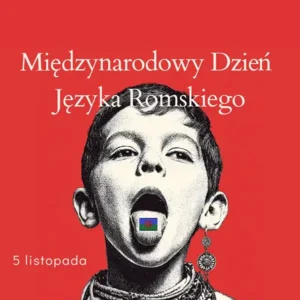
Międzynarodowy Dzień Języka 👅 Romskiego
Dziś, 5 listopada, obchodzony jest Międzynarodowy Dzień Języka 👅 Romskiego. Z tej okazji wszystkim użytkownikom języka romani życzymy BUT BACHT i JAWEN SASTE BACHTAŁE, ROMAŁE!!!
05 — Dla autorów
Zgłoś tekst do Studia Romologica
Przyjmujemy oryginalne artykuły z zakresu romologii, w języku polskim, angielskim lub hiszpańskim. Część I–II przechodzi podwójnie ślepą recenzję; licencja to CC BY 4.0.
Zanim wyślesz
- Tekst oryginalny, wcześniej niepublikowany (PL, EN lub ES)
- Abstrakt i słowa kluczowe w obu językach
- Plik zanonimizowany do recenzji